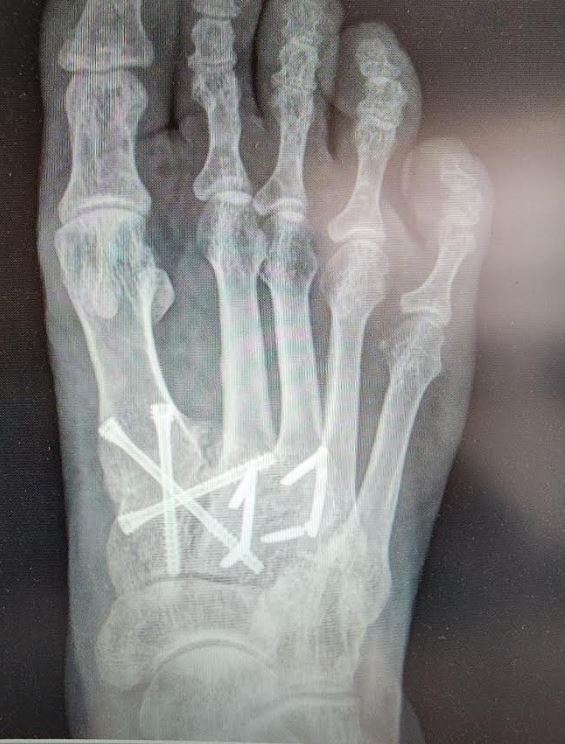

FAQ’s About Arthritis
What is arthritis?
Arthritis is a group of more than 100 diseases characterized by joint stiffness and inflammation. It can occur in any part of the body but is especially common in the feet and ankles.
The most common type of arthritis that affects the feet and ankles is osteoarthritis. Osteoarthritis occurs due to general wear-and-tear. It causes cartilage –– a soft, cushion like substance that pads your joints –– to break down. As the cartilage wears away, your bones rub against one another, resulting in pain and mobility issues.
How does arthritis affect the feet and ankles?
Each of your feet has 28 bones and more than 30 joints. All of these hard tissues are at risk of degeneration, but certain bones and joints are more susceptible than others. For example, foot and ankle arthritis usually affects the joint of the big toe or the joint where your foot bone and shin bone meet.
What are the symptoms of foot and ankle arthritis?
The symptoms of foot and ankle arthritis include:
- Tenderness.
- Swelling.
- Pain.
- Reduced ability to move or walk.
- Stiffness in the joint.
If you have foot or ankle arthritis, you might also notice your symptoms are worse after exercising or other types of physical activity.
How is foot and ankle arthritis diagnosed?
At West Orange Podiatry, Dr. Laliberte diagnoses foot and ankle arthritis by physically examining your foot and ankle and asking questions about your symptoms, including when they started, their severity, and if any activities, like exercise, make them worse.
Dr. Laliberte might also have you walk around the exam room or perform a series of easy exercises to assess your strength and range of motion. If these tests don’t provide enough insight into your condition, he might also order X-rays, an MRI, or a CT scan.
How is foot and ankle arthritis treated?
Whenever possible, Dr. Laliberte treats foot and ankle arthritis using conservative, noninvasive means. Depending on the type of arthritis you have, he might recommend:
- Losing weight.
- Custom orthotics.
- Inserts that support your foot or ankle.
- Physical therapy.
- Using a cane or walker for support.
- Anti-inflammatory drugs to reduce swelling.
- Pain relievers.
- Corticosteroid injections.
If your symptoms persist or interfere with your ability to work or perform other routine tasks, Dr. Laliberte might recommend surgical intervention.
Hallux rigidus (arthritic great toe joint)
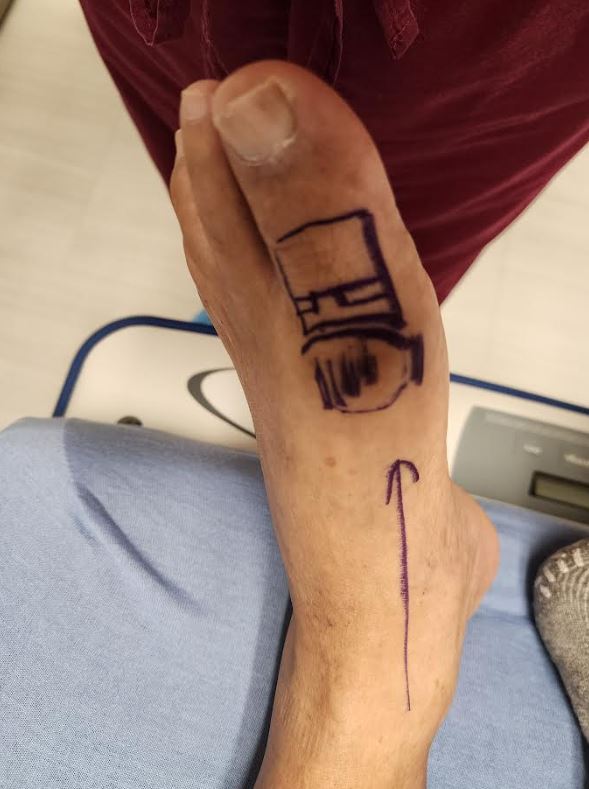
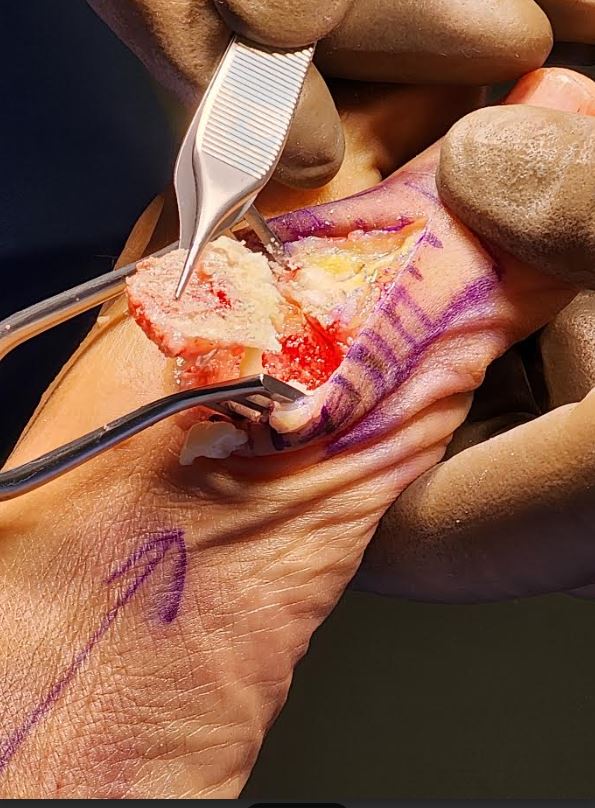
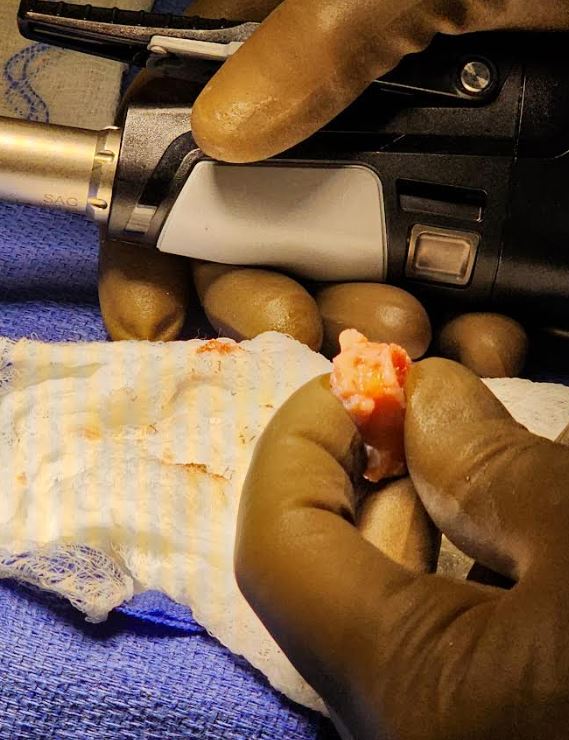
Hallux rigidus repair using the Regnauld technique, no metal or foreign body rejection. Immediate weight bearing and range of motion

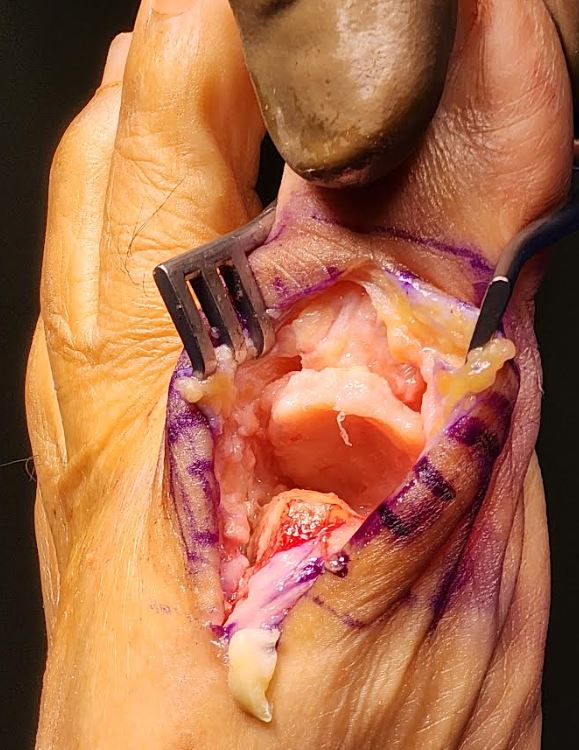
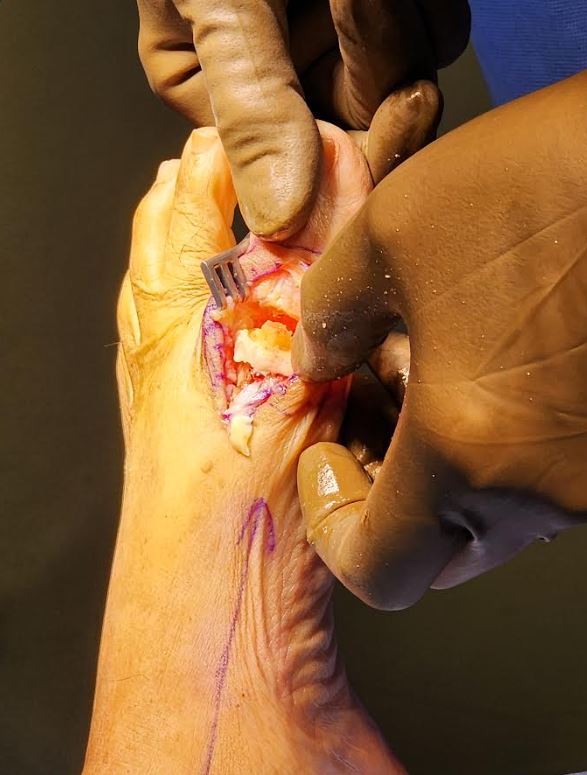
Arthritic Joint Repair