What are ingrown toenails?
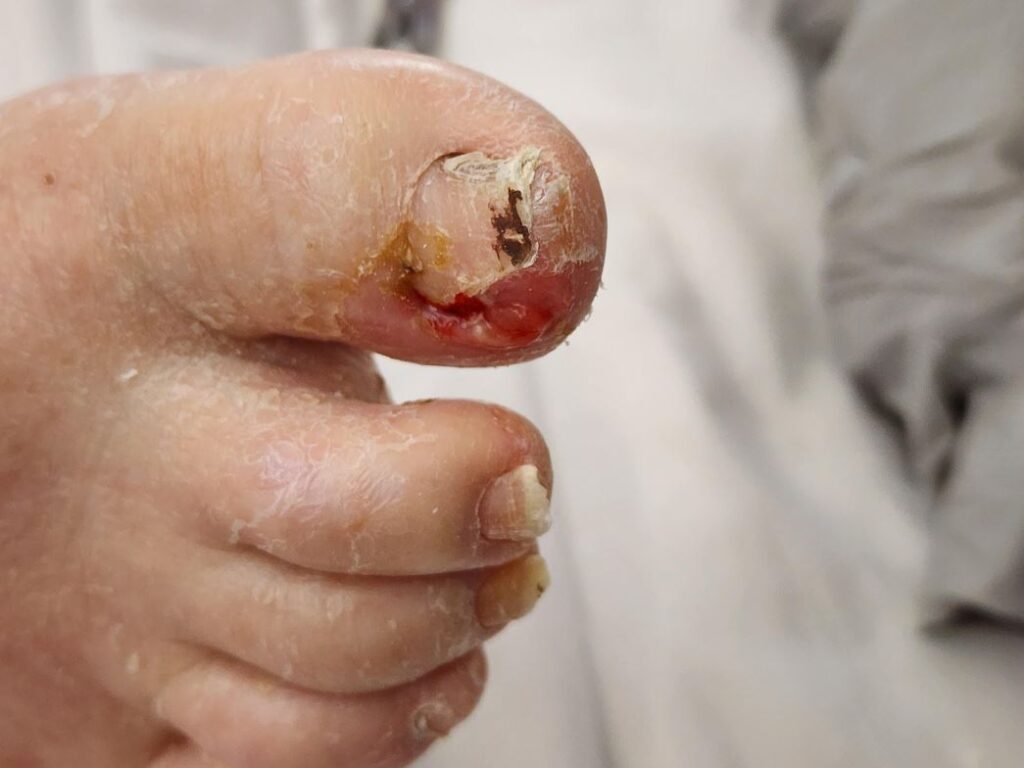
An ingrown toenail occurs when your toenail grows into the soft skin surrounding the nail bed, resulting in pain, swelling, and redness.
Often, ingrown toenails resolve on their own and respond to conservative care. If your symptoms persist or worsen, make an appointment at West Orange Podiatry right away.
What are the symptoms of an ingrown toenail?
Symptoms of an ingrown toenail include:
- Pain and tenderness
- Redness around the affected nail
- Swelling
- Infection of the skin and surrounding tissue
As the infection progresses, you might also experience difficulty standing or walking.
What causes ingrown toenails?
The most common cause of ingrown toenails is clipping your toenails at an angle instead of straight across. Other factors that may increase your risk include wearing shoes that crowd your toes, having unusually curved toenails, and experiencing trauma, like stubbing or dropping something heavy on your toe.
How are ingrown toenails diagnosed?
At West Orange Podiatry, Dr. Laliberte diagnoses ingrown toenails by physically examining your feet. Most ingrown toenails cause obvious symptoms like redness, swelling, and oozing pus. If Dr. Laliberte determines you have an ingrown nail, he develops a custom treatment plan
How are ingrown toenails treated?
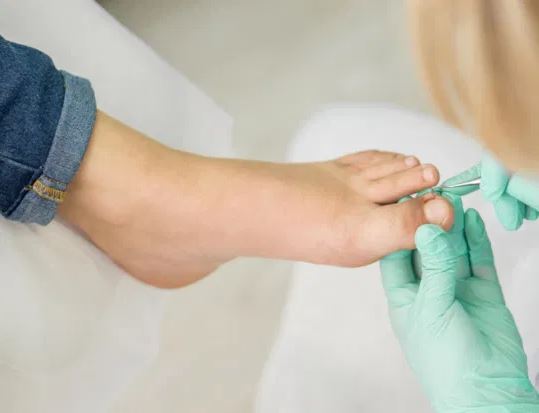
At West Orange Podiatry, Dr. Laliberte uses conservative measures to treat ingrown toenails, including:
Lifting the nail
If you have a mild ingrown toenail, Dr. Laliberte lifts it. To do this, he raises your nail edge with a splint or a piece of dental floss. The splint helps your nail grow out and away from the skin, reducing the risk of additional complications. At home, you soak your toe and replace the splint daily.
Partially removing the nail
If you have an ingrown toenail that’s infected, Dr. Laliberte might recommend partially removing it. First, he administers a local anesthetic to numb your toe and then trims or removes the ingrown portion of your nail.
Removing the nail and tissue
If you frequently experience ingrown toenails and they interfere with your quality of life, Dr. Laliberte might recommend removing the entire nail. To do this, he numbs your toe with a local anesthetic and carefully removes it with a laser.
Attempt at self care prior to correction in our office